
If your car starts normally after a drive but struggles the next morning, the battery is not automatically the cause. An ageing battery, a charging fault or an electrical consumer that stays awake can all produce similar symptoms.
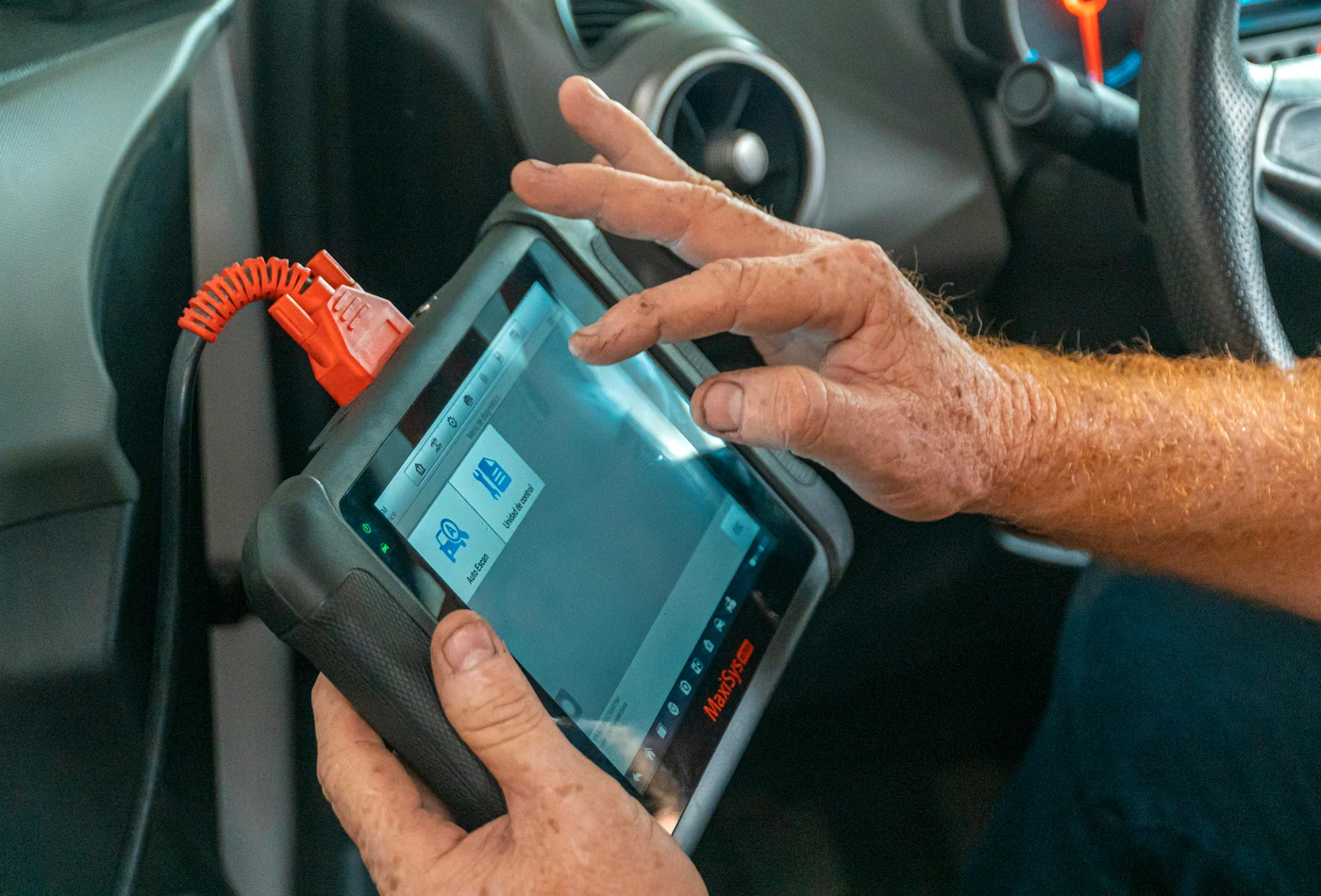
The first checks are battery condition, terminal connections and charging voltage under appropriate conditions. If these are satisfactory, a technician may perform a parasitic-current test after the vehicle has had enough time for its control modules to enter sleep mode. Modern vehicles can draw a noticeable amount of current immediately after being locked, so timing matters.
Common causes include accessories installed incorrectly, a control unit that fails to sleep, a faulty switch, or wiring damage. Removing random fuses before allowing the system to settle can lead to misleading measurements.
If the car has repeated no-start symptoms, book an electrical diagnosis rather than replacing batteries repeatedly without testing.
This article provides general information, not a substitute for an in-person vehicle diagnosis. Always follow your manufacturer’s guidance and safety recommendations.